
Minimally invasive vascular surgery is all about using endovascular and percutaneous techniques to tackle issues like peripheral artery disease, aneurysms, and arterial stenosis, all without the need for big surgical cuts. With methods such as angioplasty, stenting, and atherectomy, doctors can restore blood flow while keeping tissue damage to a minimum, which means shorter hospital stays and quicker recoveries.These techniques make use of advanced imaging to navigate and treat the intricate structures of the vascular system with precision, making them safer and more effective than traditional open surgery. By blending cutting-edge technology with a focus on patient care, minimally invasive vascular surgery not only improves outcomes but also lowers the risk of complications and broadens the range of treatment options available for patients facing various vascular challenges.
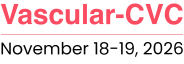
Welcome to the Vascular Medicine Conference 2026, a world-class global platform for the exchange of knowledge, discovery of innovations, and networking with thought leaders propelling the future of vascular health.
vascular.cvc@stemnetwork.net
+1 (872) 2138-777
+41 77 414 46 91
Plot no. 85 & 88, Sardar Patel Nagar Rd,
Beside Community Hall, Sardar Patel Nagar, Hydernagar, Kukatpally, Hyderabad,
Telangana 500085
